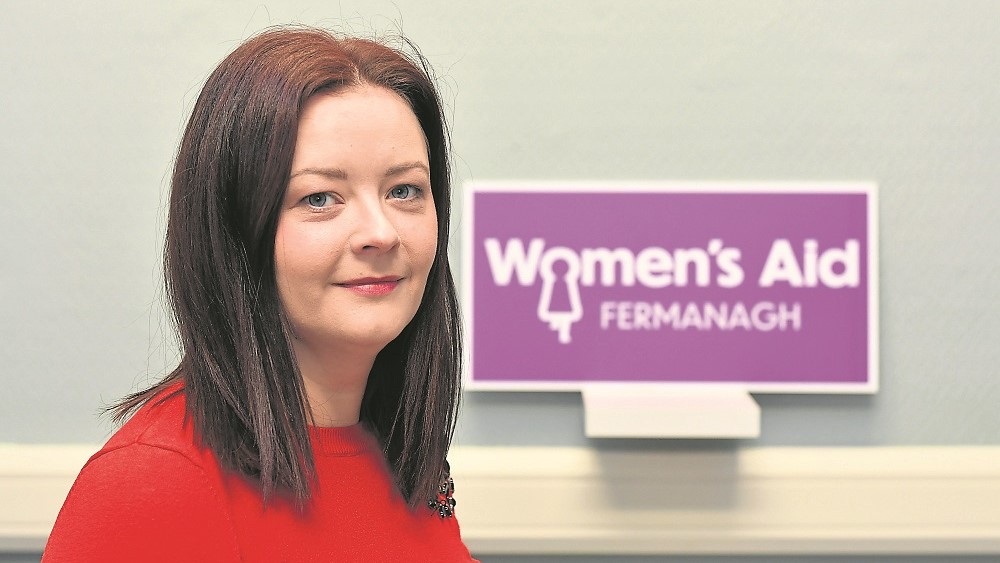


THE CEO of the newly-merged Fermanagh and Omagh Woman’s Aid has said joining the services will strengthen support for local women and children.
Kerrie Flood, formerly the interim CEO of Fermanagh Women’s Aid, announced the merger this week, stating it was ‘an important step forward’ for supporting women and children subjected to domestic and sexual violence across the communities.
“This merger brings together two trusted organisations with a shared feminist, human-rights–based ethos which recognises domestic and sexual violence as a cause and consequence of gender inequality,” said the Fermanagh woman.
“We believe women and children have the right to live free from violence, abuse, and coercive control.
“By uniting our experience, resources, and expertise, we are strengthening sustainability while continuing to deliver trauma-informed, non-judgemental support that prioritises safety, dignity, choice, and confidentiality.”
Ms Flood added, “Importantly, there will be no reduction in frontline services. Women and children will continue to receive the same high-quality support from the staff teams they know and trust.
“This decision follows careful planning and consultation, with the safety and wellbeing of women and children at the heart of every discussion.”
The merger will be formally launched on Tuesday, March 10, just after International Women’s Day, at an event Ms Flood said will honour the two services history and shared vision.
That event will take place at the Strule Arts Centre in Omagh from 10 am to 1pm.
Free tickets will be available through Eventbrite on the Women’s Aid social media channels on Monday, February 9.
Updates to the service contact numbers will also be shared across our social media channels in the coming days.
Ms Flood concluded, “To any woman or child experiencing abuse: our doors remain open, our support remains unchanged, and you are not alone.”
News of the merger comes a week after Ms Flood told the ‘Herald the local service had been experiencing an increase in demand, without a corresponding increase in funding, leaving the service unable to accommodate a small number of women and children.