


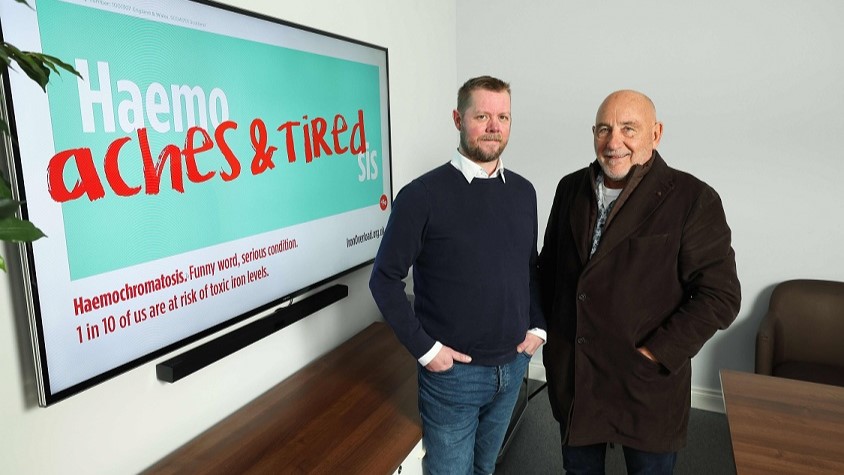


RESIDENTS in the Irvinestown area are being urged to get tested for a wide-spread but often undiagnosed hereditary disease, branded the ‘Celtic Curse’.
Haemochromatosis UK is offering free genetic screening for the condition in various areas across the North, beginning next week, including some here in Fermanagh.
Those living in selected postcode areas of Irvinestown will be contacted in the coming weeks to be offered the test, which normally costs £129.
Believed to be one of the most common inherited conditions in Ireland, and particularly prevelant among those of ‘Celtic’ descent, haemochromatosis is a disease where the body absorbs too much iron from the diet.
If not detected early, excess iron can build up in the body and significantly increase the risk of serious ill health, including chronic fatigue, joint pain, liver disease, diabetes, heart and bowel disorders.
Haemochromatosis UK has previously found that one in 10 people in North carry the underlying genetics that put them most at risk of developing iron overload, although many people have no symptoms until damage has already occurred.
The charity is now offering the testing to up to 23,500 households in selected areas, with postcodes in Portadown, Ballymena and Magherafelt also on the schedule.
Jenny Irvine, CEO, ARC Healthy Living Centre in Irvinestown, welcomed the inclusion of the local area on the list.
“ARC Staff and Directors are delighted to be working with Hemochromatosis UK to encourage people in the Irvinestown area to avail of free screening,” she said.
“This is a wonderful opportunity to raise awareness about what is a very prevalent but under diagnosed genetic condition.”
The initiative is being supported by Hagan Homes, among others, with founder James Hagan revealing a deeply personal reason behind why the company is backing the campaign.
“Someone very close to me was recently diagnosed with genetic haemochromatosis, despite having no symptoms,” he said.
“Their experience highlights exactly why this campaign is so important.
“Most people affected have no warning signs, yet the potential consequences can be extremely serious if the condition goes undetected.”