




“This is not sustainable. It is dangerous.”
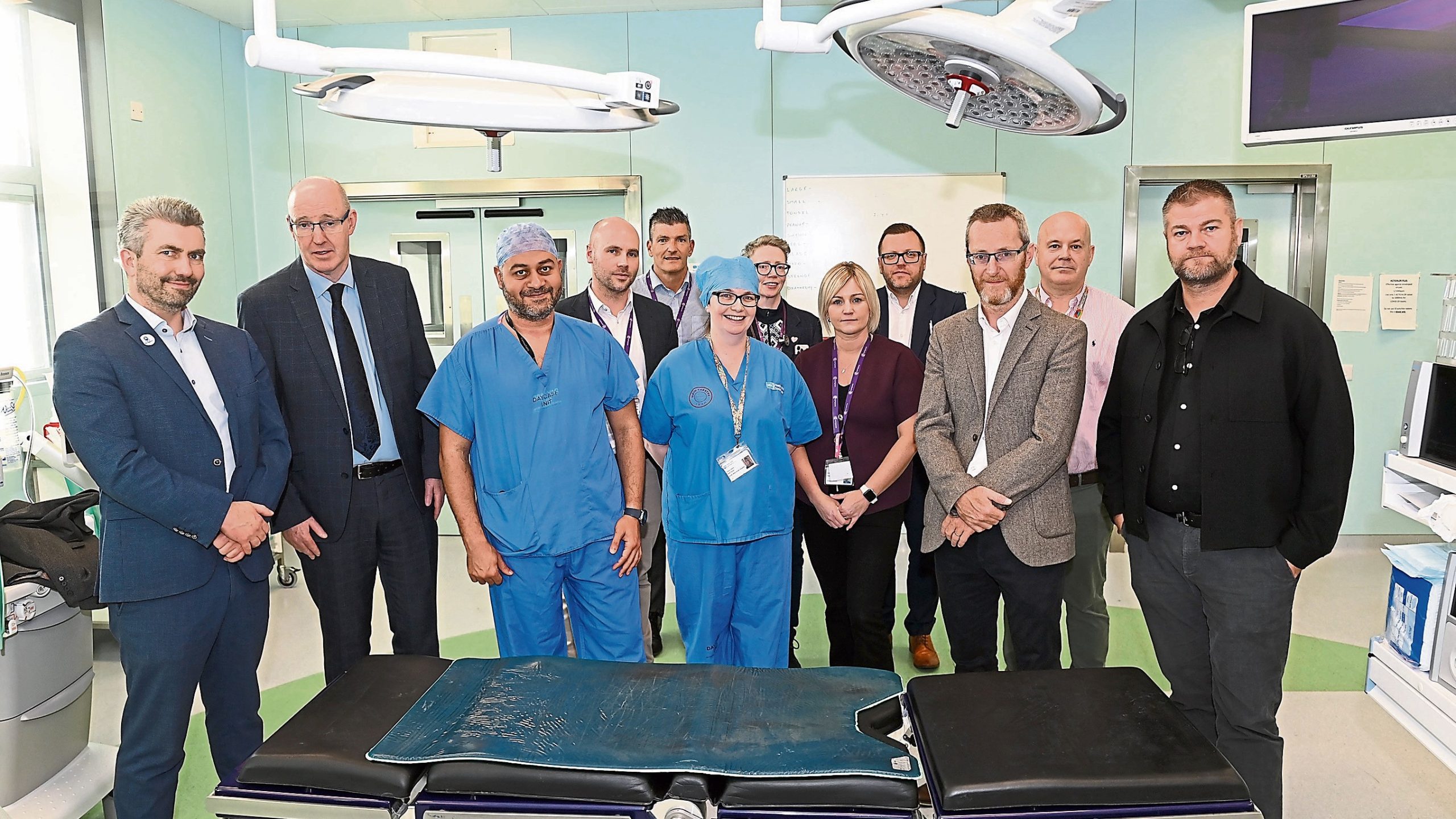
That was the stark warning delivered by Save Our Acute Services (SOAS) secretary Helen Hamill as Stormont’s health committee met in the South West Acute Hospital (SWAH) on Thursday to hear directly from campaigners and senior Western Trust officials.
Ms Hamill reminded committee members that, despite repeated appeals, the withdrawal of emergency surgery continues to leave thousands exposed.
“Three years on, over 83,000 people in Fermanagh and West Tyrone remain an average of two hours away from life-saving care,” she said. “This is not sustainable. It is dangerous.
“Winter is here and already we know Altnagelvin isn’t coping. How could it be – with ‘corridor care’ running rampant and cancer patients being left on the floor.”
Ms Hamill also highlighted SOAS’s proposed solution, pointing to the group’s Roadmap for SWAH, published earlier this year.
“SOAS is very, very positive about the future for SWAH. We published our Roadmap for SWAH in January,” she continued.
“Its 20 recommendations are a step-by-step guide as to how we can resolve the issues around timely access to emergency surgery for our local community while at the same time significantly contributing to the fight to reduce waiting lists across Northern Ireland.
“The Roadmap has received support from right across our community. We need the support of you, our politicians, and the various health bodies across Northern Ireland. We cannot do this alone.”
Staffing pressures
Stormont’s committee members also heard from Western Trust chief executive Neil Guckian, who emphasised the severe and longstanding staffing pressures affecting services across the Trust.
“I have highlighted to the committee before about the disproportionately low level of medical staffing in some specialties in the West and the consequent reliance on agency locum staff,” he said.
“The Western Trust continues to face significant medical workforce pressures, with 104 active medical and dental vacancies representing around 13 per-cent of our funded establishment.
“The most sustained challenges are in psychiatry, ENT, radiology, paediatrics, obstetrics and gynaecology at Altnagelvin, uro-oncology and OMFS.”
Mr Guckian also noted that both Altnagelvin and SWAH are struggling with delayed discharges due to shortages in community care provision.
“We struggle to source domiciliary care in some rural areas in our Southern Sector, delaying people who require full packages of care or a nursing home placement for safe discharge and this has had a major impact on the numbers of people who are medically fit but remain in our hospitals,” he said.
“To address our delayed discharges, we have tried, within existing resources, to increase capacity.
“In 2024/25, we increased capacity by 38 nursing beds across all categories and sectors; this year we intend to put in place a further 53 beds giving almost a 100 bed increase in two years.”